August 13, 2026
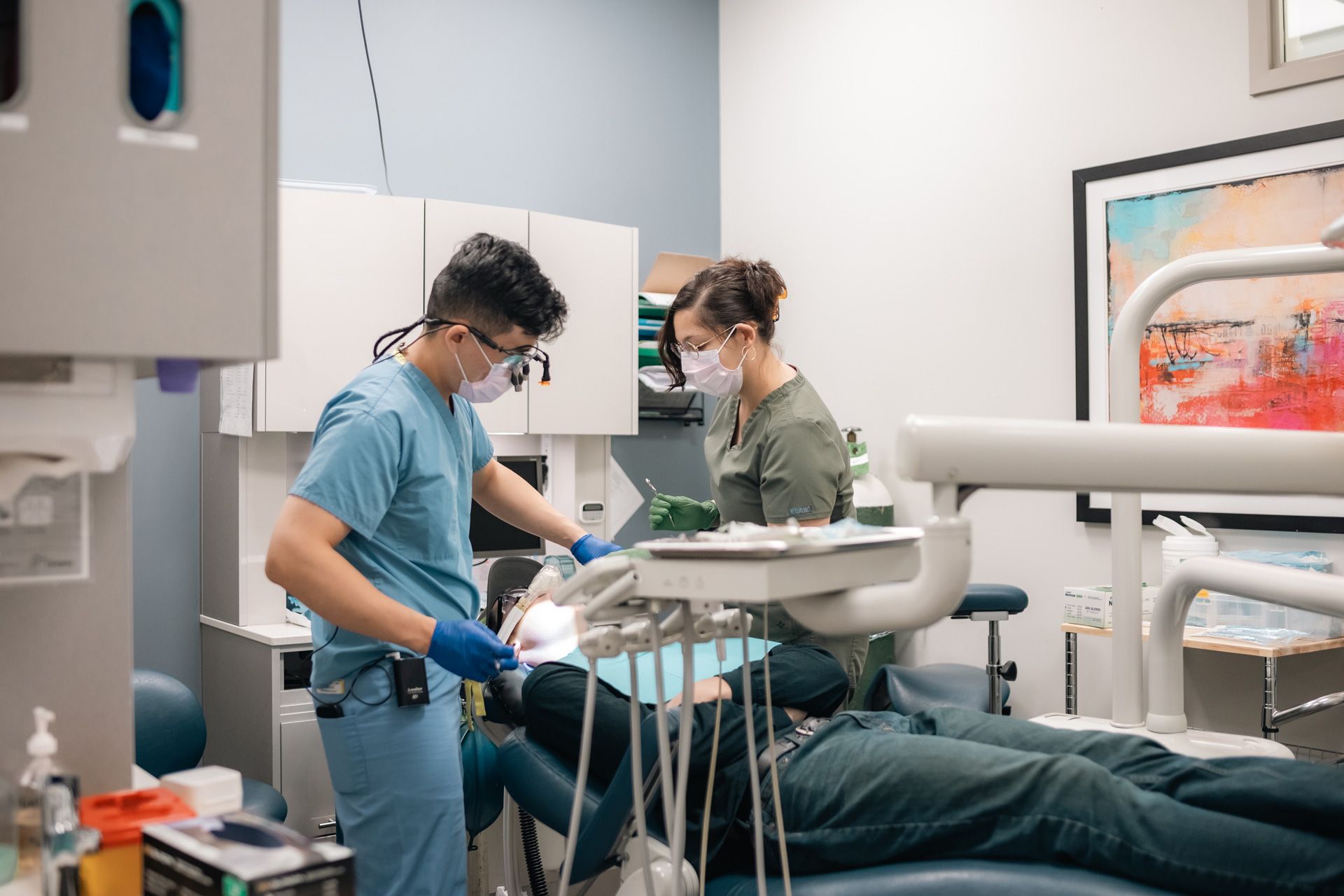
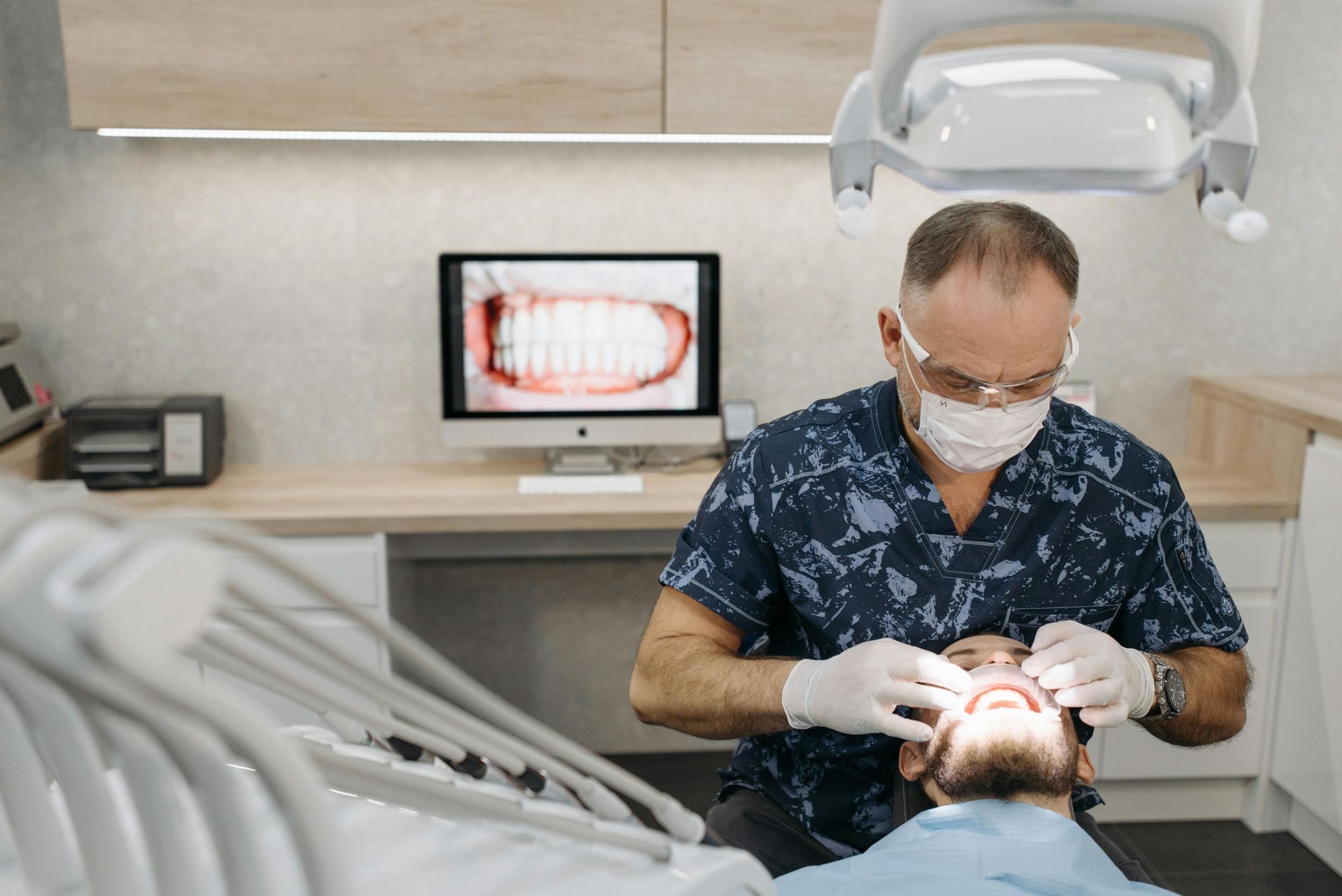
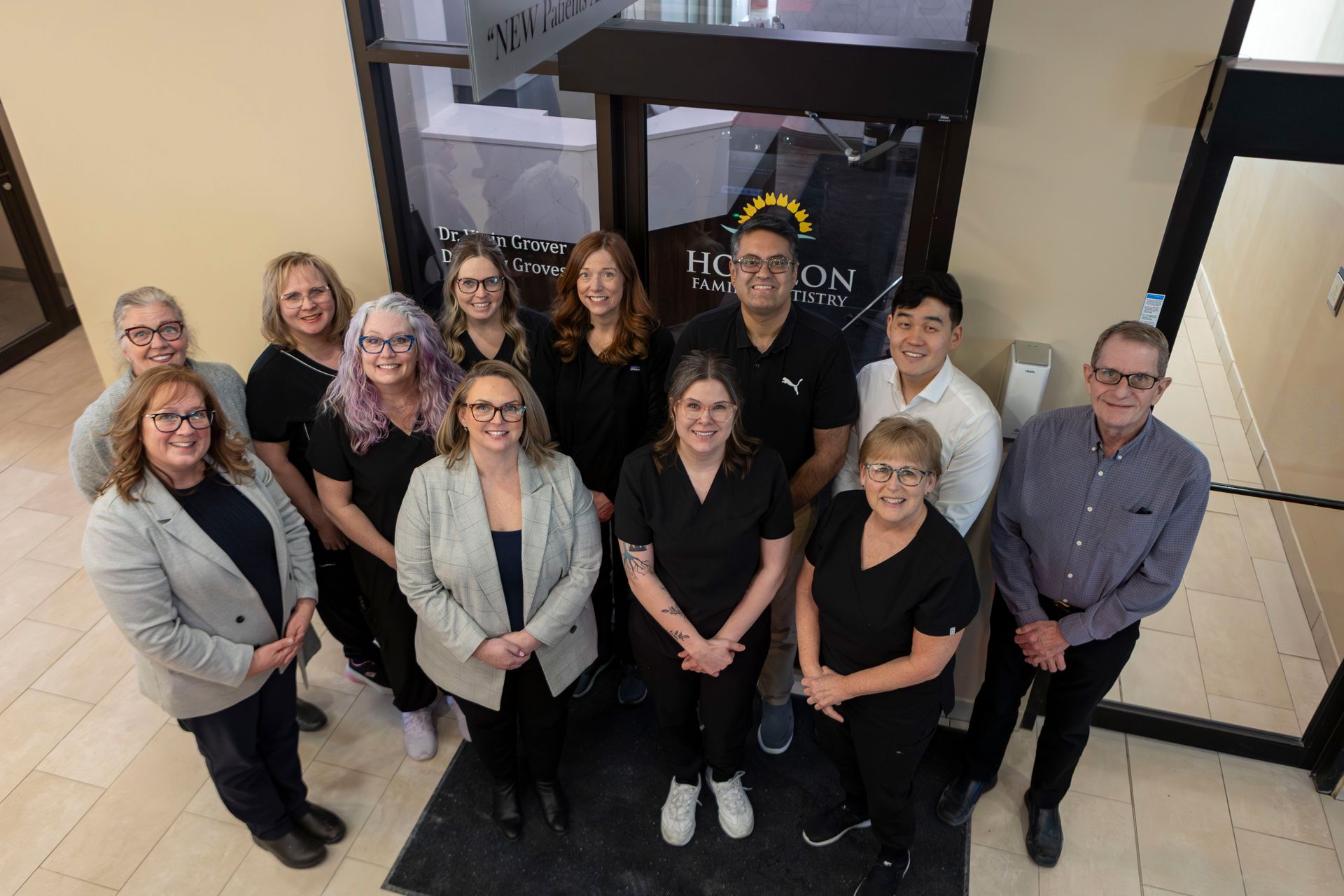
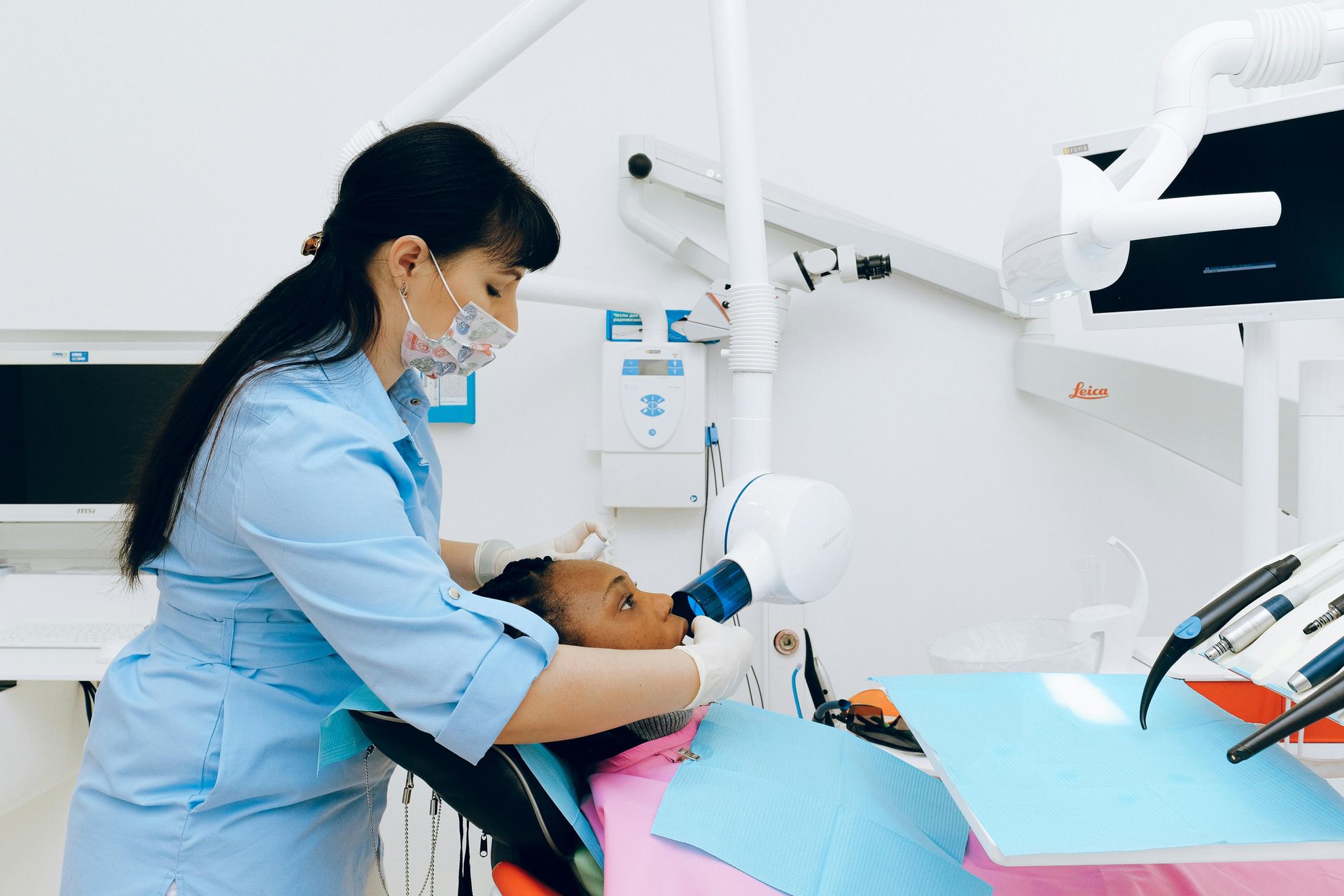
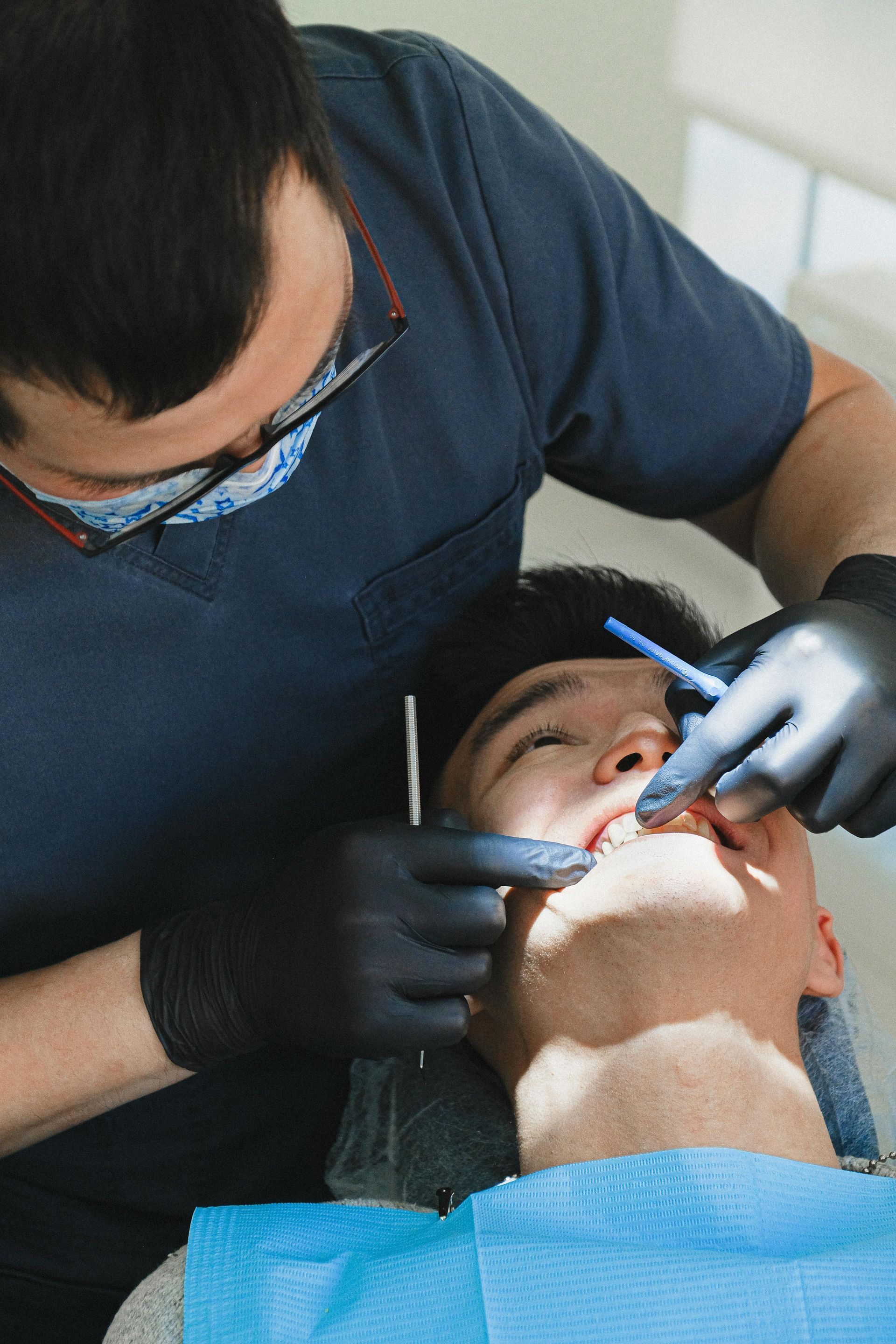
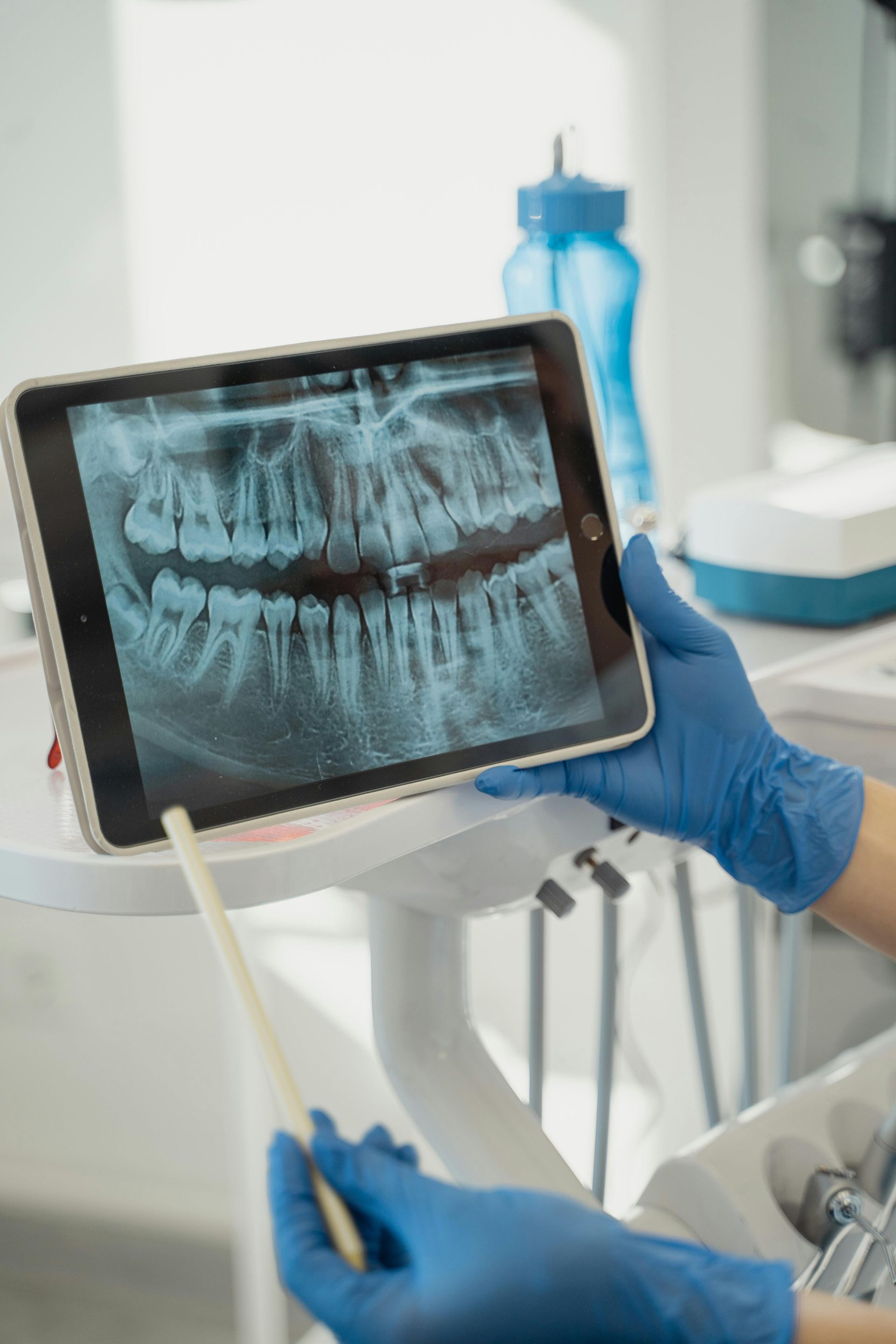
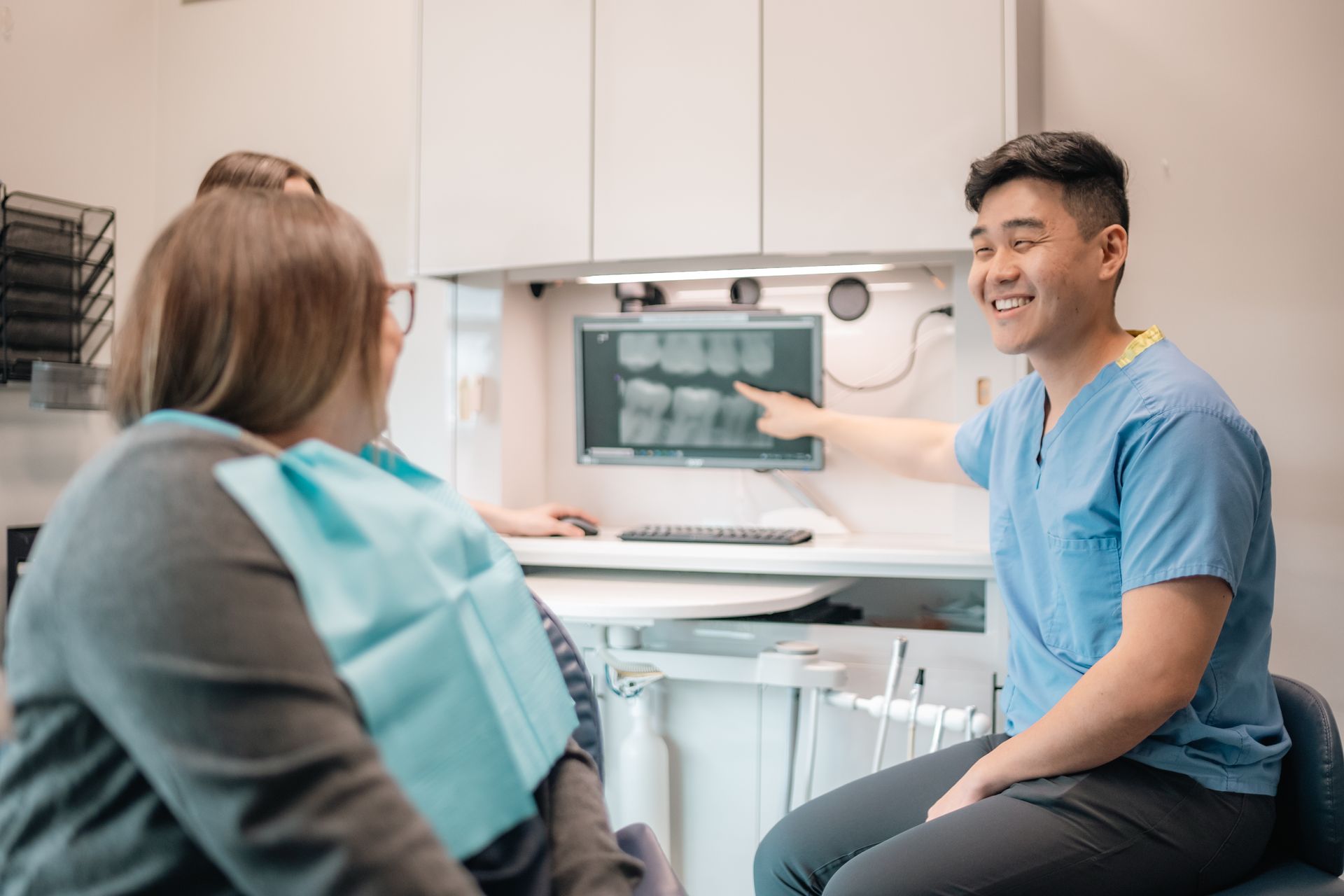
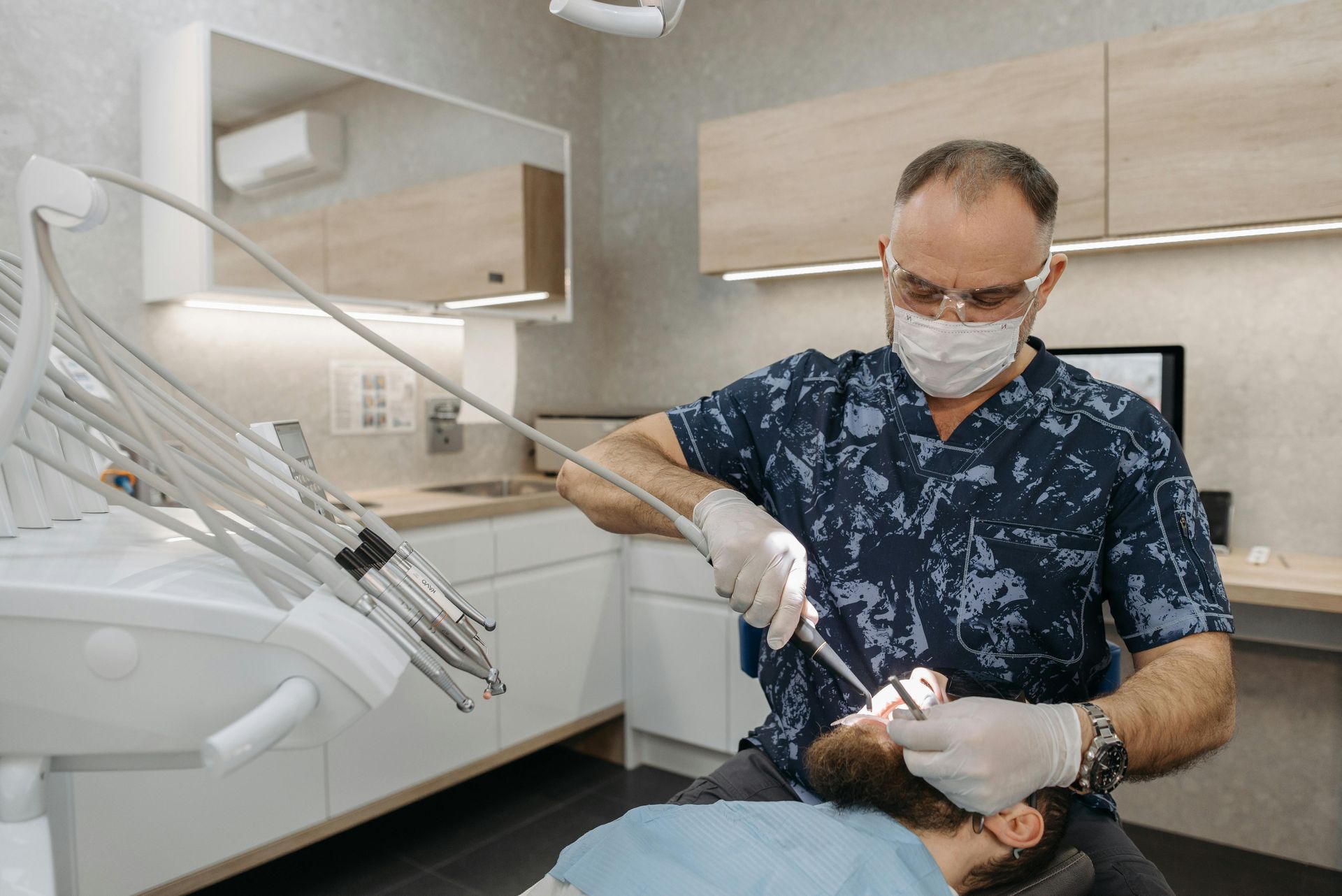
Choosing a dentist in Peterborough comes down to whether the office is taking new patients and whether it can handle the range of care your family will need over the years, not just the appointment you're trying to book this week. Other things matter too, they just tend to surface later. How fees and insurance get handled, and whether you feel all right once you're actually in the chair. Horizon Family Dentistry has been practising in Peterborough, Ontario since 2011, and our office sits at 26 Hospital Drive. New patients, dental emergencies and walk-ins are all welcome here, which is worth stating plainly. Below is what we'd check before booking with any dental practice in the city, and what to expect if the one you pick turns out to be ours. What Should You Look for in a Peterborough Dental Clinic? Two things matter more than the rest. The first is range, meaning whether a single office can keep covering what your family needs as the people in it get older. The second is anxiety. Range is easy to check. Read the service list and see how far it reaches. Ours runs from preventive care and children's dentistry through root canal therapy and gum disease therapy. Tooth extractions, dental implants, Invisalign and cosmetic work sit on it as well, and the dental hygiene program covers children, adults and seniors. The household you're booking for now isn't the one you'll be booking for in ten years. Anxiety gets less planning than it deserves. Plenty of adults have gone years without treatment because of it, and what an office actually offers is worth knowing before you're sitting there. We offer laughing gas, the lightest level of sedation, for anyone who wants to take the edge off a routine visit. IV sedation is there for patients whose fear runs deeper. Sedation also lets us fold several treatments into a single appointment, which suits patients who don't have time for multiple visits. And then there's ordinary logistics. We're open 8:30 to 5:00 Monday through Thursday and Friday mornings until 12:30, and parking at the office is free. What Happens at a New Patient Exam? A new patient exam at our Peterborough dental clinic is a full assessment of your oral health, and nothing gets recommended until it's done. You'll be greeted in the waiting area, which we renovated recently, and one of our team will go through your dental, medical and family history with you one-on-one before anything else happens. Then you'll see your Peterborough dentist, who does the exam. Decay, gum disease, and any cracks or damage to the teeth An oral cancer screening All the soft tissue in your mouth, along with a detailed look at the teeth themselves Your jaw joint, the muscles you chew with, and how your bite comes together Photographs, plus only the x-rays needed to check for decay and set a baseline for bone and jaw joints What you're hoping to get out of treatment, cosmetic concerns included A consultation follows, where your dentist takes you through a treatment plan built around preventive and restorative care and the final decisions get made together. Long-standing patients go through a version of this too. Conditions in the mouth shift over time, so there may be a need to reassess them every 3 to 5 years. Who Are the Dentists at Horizon Family Dentistry? There are four dentists at Horizon Family Dentistry, and the practice belongs to Dr. Vipin Grover, who grew up in Peterborough and came back to it. He graduated from the University of Toronto with his Doctor of Dental Surgery, with honours, in 2009, then worked in Millbrook, Lindsay, Bobcaygeon and Peterborough before settling into his own practice back home. He actively seeks continuing education across various aspects of dentistry, and alongside general dentistry he focuses on implant dentistry and Invisalign. He still lives here with his family and loves the Kawarthas. Dr. Young Jin Cheon did his dental degree at Western, then an Advanced Education in General Dentistry residency at Tufts in Boston, and he's built his approach around making anxious patients comfortable. Then there's Dr. Natalie Wong, a prosthodontist who holds board certification in implant dentistry and in prosthodontics from both the United States and Canada, a combination no other dentist has attained. She lectures on implant dentistry nationally and internationally. Dr. John Grant is on the team as well. Tenure is worth mentioning, because it tells you something a credential can't. Debbie, who manages the office, has worked with Dr. Grover since 2009. Laurie, one of our dental assistants, has 30 years in the role and has been here since 2012. How Do Fees, Insurance and Appointments Work? Our fees follow the current Ontario Dental Association fee guide, and payment is due the day of service. Bring your plan details to the first appointment if you're insured. Most carriers let us file your claim electronically, which gets you reimbursed quickly, while a few still want forms filled in and mailed, and we're happy to help with either. We'll work with you to make sure you receive the maximum benefits your plan entitles you to. Larger treatment plans can be paid over time. You'd sit down with our treatment coordinator, go through the options, and come away with a written estimate of the proposed services and the payment plan options. Visa, MasterCard, Interac and cash are all accepted. Appointments are difficult to lose track of here. We'll get in touch two weeks ahead by email, text or phone, then reconfirm two days before your visit. If you need to move one, we ask for two business days' notice so the slot can go to another patient, which is also what avoids a missed appointment charge. Dental emergencies arise when nobody expects them, so if you're in one, contact the office right away and our team will do its absolute best to accommodate you as soon as possible. Ready to Book With a Dentist in Peterborough? Everything starts with a phone call. Our number is 705-743-1901, and our staff will help you find a time that's convenient for you and your family. We're at 26 Hospital Drive, parking is free, and the new patient registration form is available on our website.